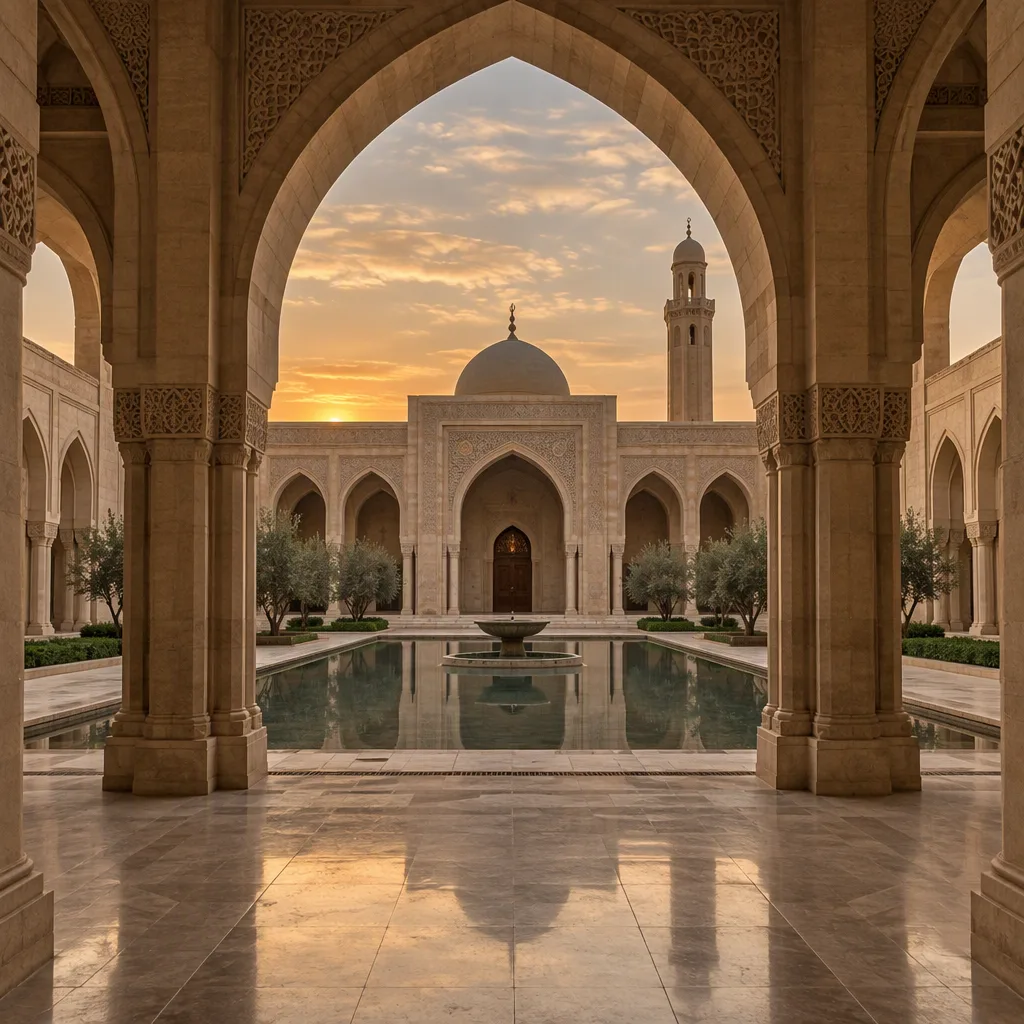
Waqf is often translated as “endowment,” a word that suggests something set aside and left alone. The classical institution was more ambitious. A waqf removed an asset from ordinary ownership and dedicated its benefit to a purpose — a mosque, a school, a well, a family in need — with the intention that the benefit would continue.
Perpetuity was the ideal. But perpetuity is not the same as passivity. An endowment that cannot be maintained, audited, or adapted to its purpose does not serve the intention behind it.
Three classical commitments
The jurists generally emphasized that the endowed asset should be preserved, that its benefit should be directed to the stated purpose, and that the arrangement should not be used to circumvent inheritance or evade legitimate obligations. These commitments are not bureaucratic details. They protect the trust from the people who administer it — including well-meaning people.
Contemporary questions
Today waqf takes forms the classical manuals did not discuss in detail: cash waqf, shares, real-estate funds, and digital assets. Scholars continue to examine these structures. The questions are familiar even when the instruments are new. Is the asset genuinely preserved? Is the benefit real and measurable? Who governs the endowment, and how are decisions reviewed?
An endowment is only as strong as the governance around it.
For families and masajid in Houston and elsewhere, the practical work begins long before a document is signed. It begins with clarity about purpose, honest numbers, and a governance structure that can outlast the founding conversation. That is the unglamorous work that makes lasting benefit possible.